
Dark Skies
What Are Dark Skies
Dark Skies are night skies that remain free or mostly free from artificial light. Artificial light is human-made lighting, including streetlights, building lights, billboards, and outdoor fixtures, that brightens the night beyond natural levels. In places with dark skies, natural darkness is preserved so stars remain visible and ecosystems can follow their normal nighttime rhythms.
Why Dark Skies Matter

Science
When Williams Bay was chosen as the home of Yerkes Observatory in the late 19th century, one of the most important factors was its sky unpolluted by industrial waste. Located far from the growing city of Chicago, the area offered astronomers exceptionally clear views of the stars, planets, and nebulae. These clear skies allowed Yerkes scientists to carry out groundbreaking research and helped establish the observatory as a world leader in astronomical discovery.
Dark skies are essential for astronomical research and inspiring the next generation of night sky explorers. Under naturally dark conditions, astronomers can study dim stars, distant galaxies, and subtle details that are lost when artificial human-made light is introduced. The less artificial light present, the better the contrast between celestial objects and the background sky, allowing telescopes to collect cleaner, more accurate data.
Today, the night sky over southern Wisconsin is no longer as dark as it once was, and is getting 10% brighter every year! Urban and suburban development has expanded steadily over the last century, and artificial lighting now spreads far beyond city boundaries. As a result, skyglow limits the quality of observations that can be made. Increased background brightness makes it harder to detect faint objects, shortens effective observing time, and reduces the scientific value of the data collected.

1907 image of the Morehouse comet taken with the Bruce 10-inch photographic telescope of Yerkes Observatory

2024 image of Saturn taken with the 40-inch Great Refractor at Yerkes Observatory (image courtesy of Brian Finch)

Life
The natural 24-hour day/night cycle is one of the most fundamental forces shaping life on Earth. For billions of years, plants, animals, and humans have evolved in sync with predictable patterns of daylight and darkness. This daily rhythm controls when we sleep and wake, when animals hunt or rest, and when plants grow, flower, and conserve energy. Today, widespread artificial light at night is disrupting this ancient cycle in ways that are increasingly harmful to the natural world.
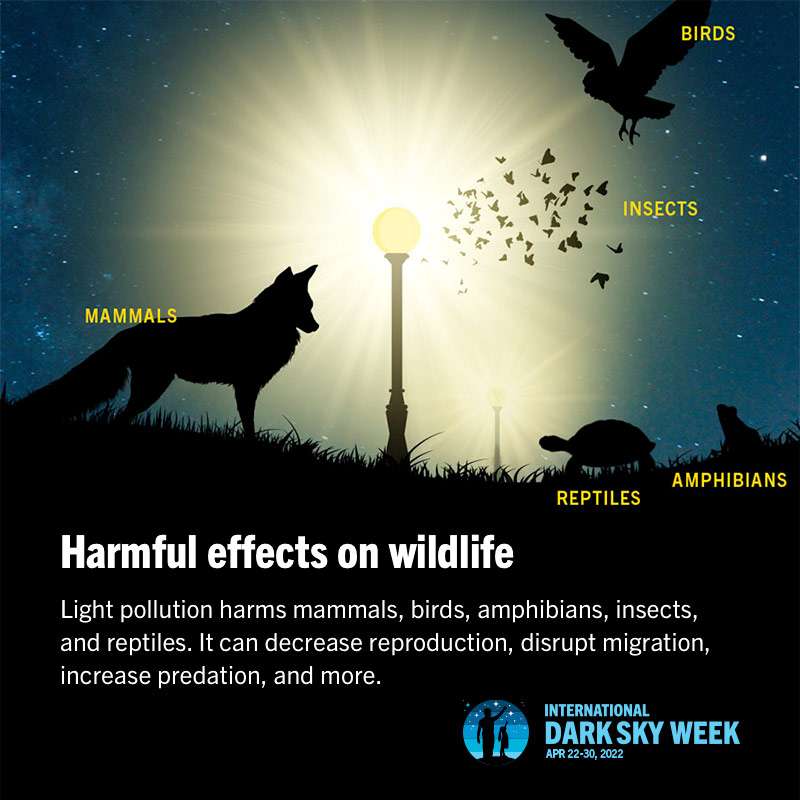
Artificial lighting after sunset can interfere with the biological signals that tell organisms when it is time to rest or become active. Just as blue light from phones before bedtime has been shown to reduce the quality of human sleep, bright outdoor lighting can disrupt circadian rhythms in people as well. In wildlife, this disruption can cause confusion, stress, and exhaustion. Animals may feed at the wrong times, become more vulnerable to predators, or fail to reproduce successfully. Plants can be affected as well, altering their growth cycles, flowering times, or seasonal dormancy. Insects, especially nighttime pollinators, are often drawn to artificial lights, where many die from exhaustion or increased predation. These losses ripple through ecosystems, reducing pollination and food sources for other species.
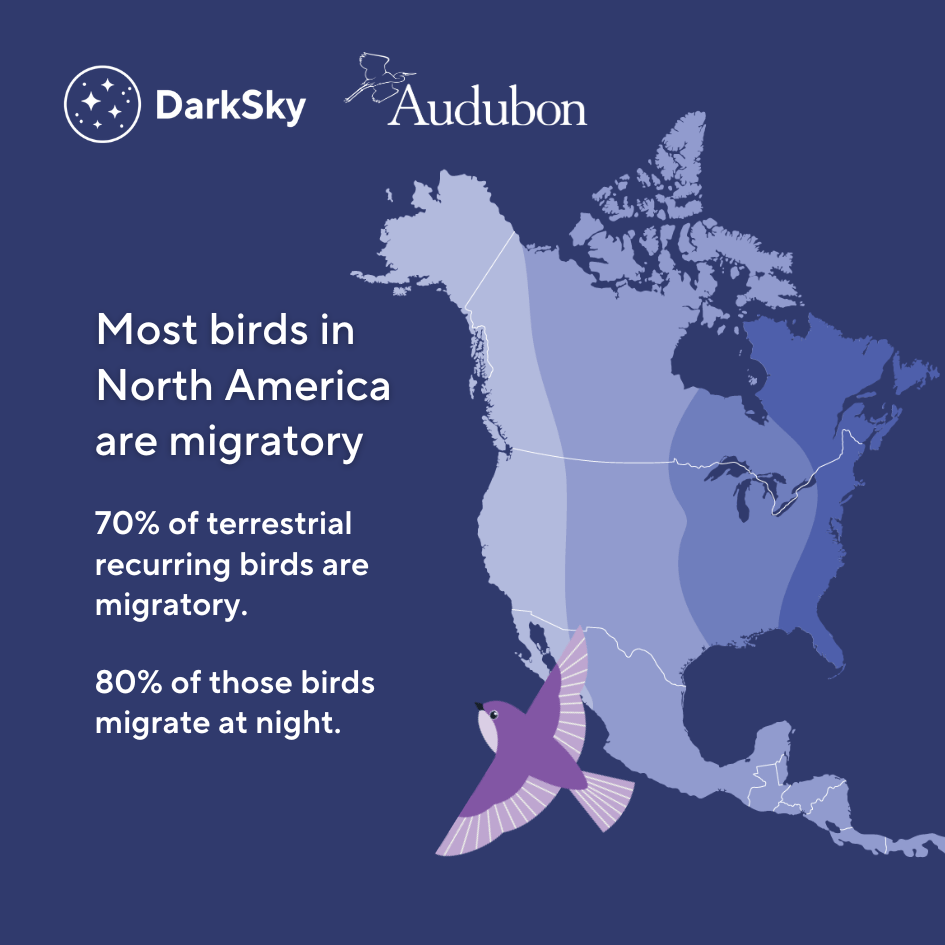
One of the most dramatic effects of light pollution is seen in migratory birds. Nearly 80% of migratory birds in North America travel at night, navigating by the stars and natural light cues. Bright artificial lights from buildings and cities can disorient these birds, pulling them off their migration routes. Confused birds may circle illuminated structures for hours, becoming exhausted and colliding with windows and walls.
The scale of this impact is staggering. In the United States, an estimated one billion birds die each year from collisions with buildings, many of them during nighttime migration. These losses contribute to long-term declines in bird populations, which are already facing threats from habitat loss and climate change. Because birds play critical roles in controlling insects, dispersing seeds, and supporting healthy ecosystems, their decline affects far more than just individual species.

Culture
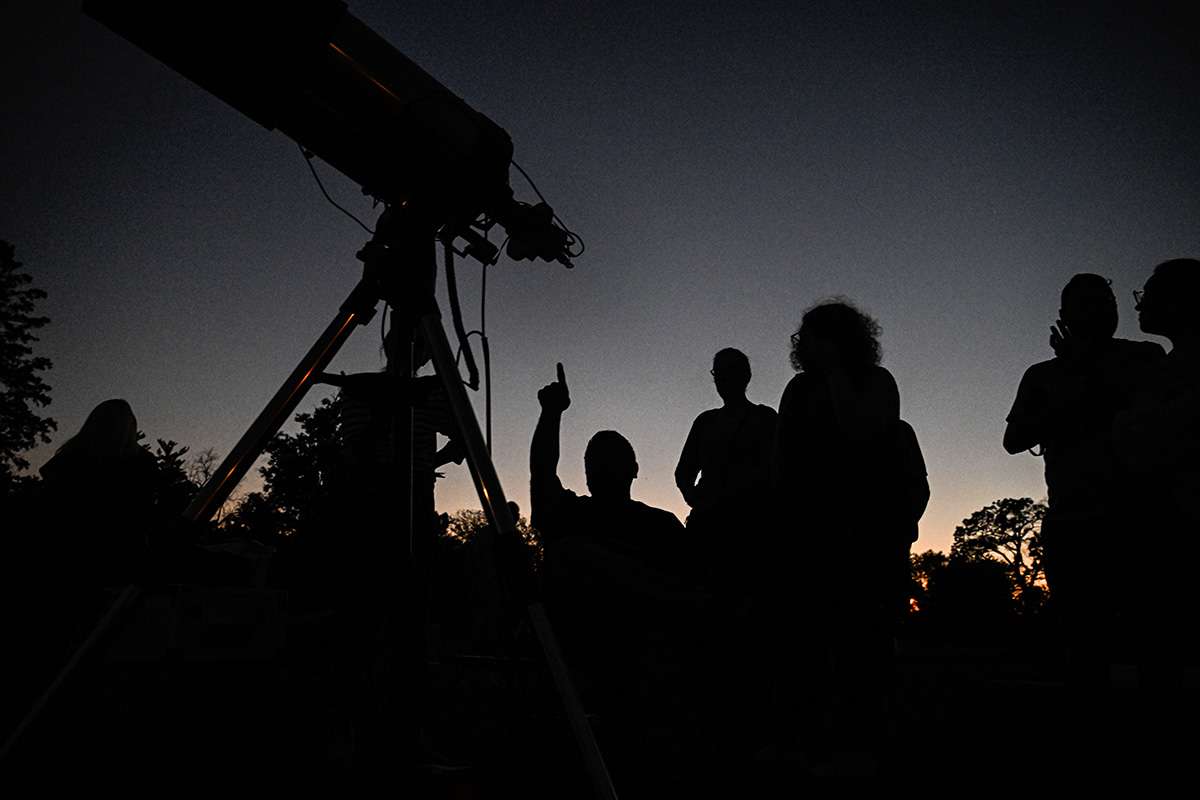
For most of human history, nightfall brought the sky to life. Long before electric lights, the stars were a nightly companion, shaping how humans understood time, place, and their relationship to the universe.
Across cultures and continents, people looked to the night sky for meaning and guidance. Constellations became stories passed down through generations, connecting families, communities, and civilizations. The stars helped people navigate land and sea, track the seasons, and mark important moments. The moon’s phases guided calendars and celebrations. The night sky was not distant or abstract; it was an intimate and shared part of daily life.
This constant exposure to the stars shaped human curiosity and imagination. Early astronomers, philosophers, and storytellers found inspiration in the sky, laying the foundations of science, art, and mythology. The night sky offered wonder, reflection, and a sense of belonging within something larger than themselves.
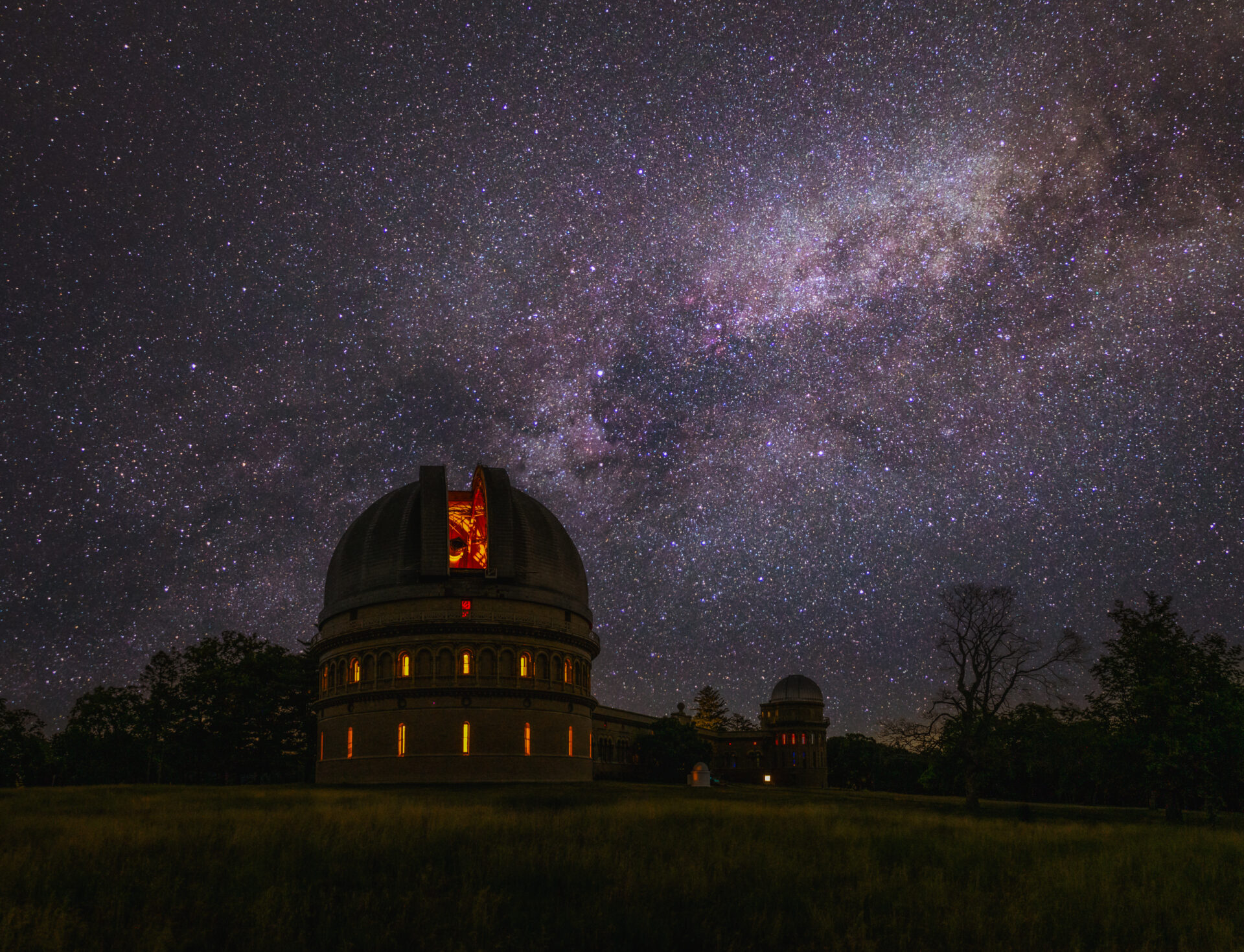
In the modern world, this experience has become increasingly rare. Artificial lighting has transformed our nights, brightening streets, buildings, and homes…but at a cost. In many places today, only a handful of stars are visible, and entire generations are growing up without ever seeing the Milky Way. In the United States and Europe, 99% of the public can’t experience a natural night. This loss is not only scientific or environmental; it is cultural. When we lose the stars, we lose a connection that shaped human history for thousands of years.
How You Can Help

Choose dark sky friendly light bulbs
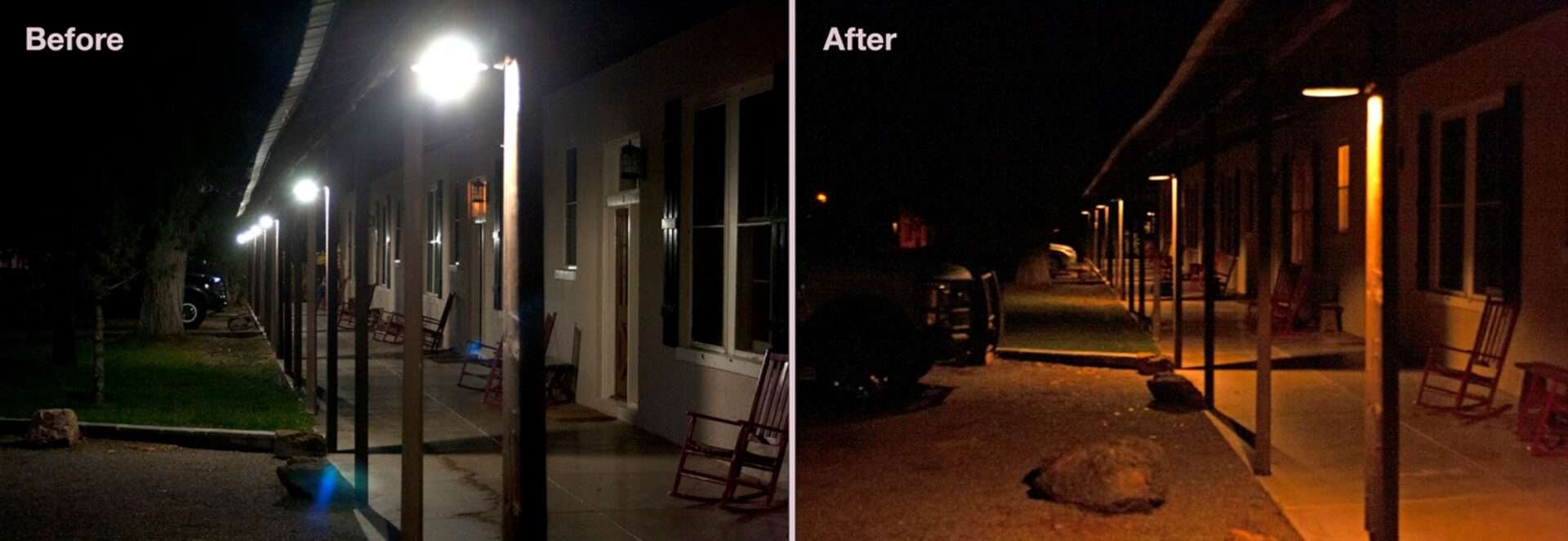
When choosing outdoor lighting, it’s important to balance safety and visibility with protecting the environment. One of the most effective steps is choosing warm-colored light bulbs with a correlated color temperature (CCT) of 2700 K or lower. These warmer tones reduce glare and skyglow and are less disruptive to natural day/night cycles than cooler, blue-white lights.
Brightness also matters. Many outdoor spaces need far less light than people expect. For most homes, 300 to 800 lumens is enough for pathways, porches, and yards. Keeping lights under 1000 lumens helps prevent excessive brightness, improves night vision, and reduces wasted light.
Click here for dark sky compliant light bulbs.

Use lightbulbs from the left side of this chart (under 2700) to reduce glare and skyglow.
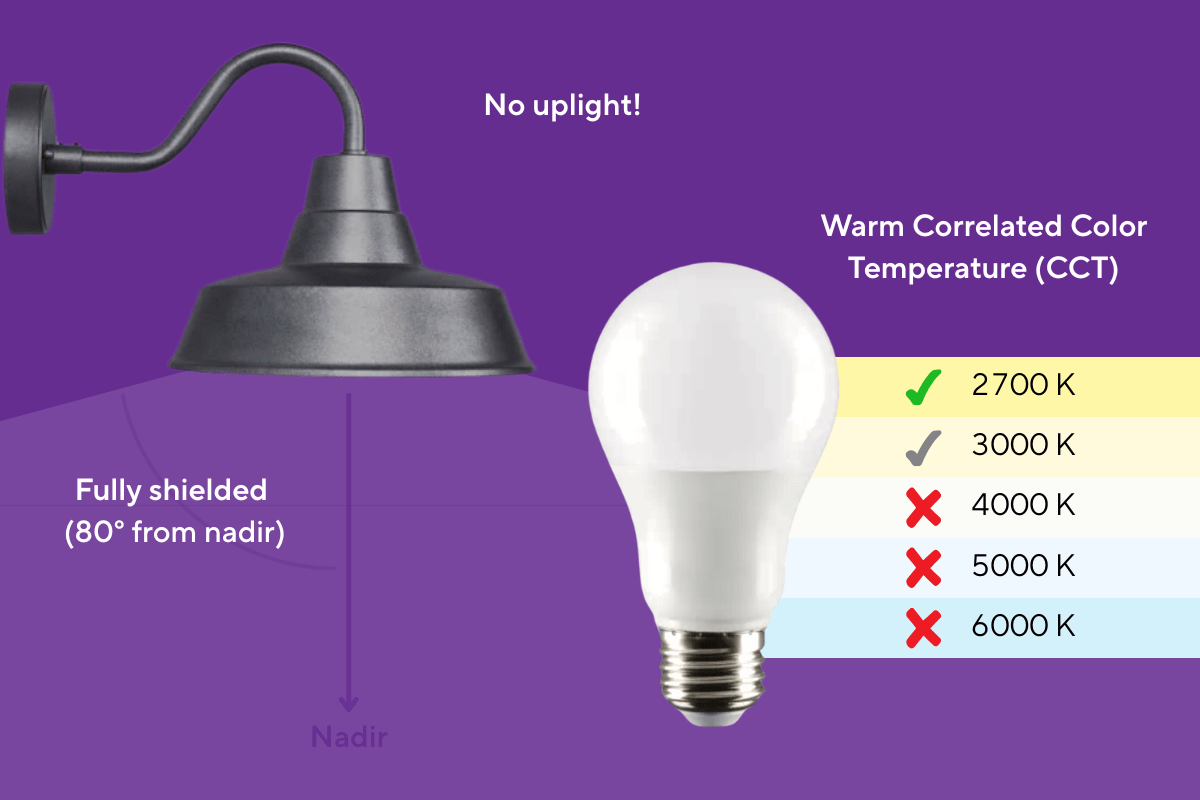
Warm colors, lower lumens, and properly shielded fixtures help minimize light pollution.

Use timers and shielded fixtures
One of the most effective ways to reduce light pollution is to use light only when and where it is needed. Shielded light fixtures and timers play a key role in making outdoor lighting more responsible and efficient. Fully shielded fixtures direct light downward onto the ground, where it is useful, instead of allowing it to spill into the sky or neighboring properties. This reduces glare, improves visibility, and significantly cuts down on skyglow.
Timers and motion sensors further reduce wasted light by ensuring lights are not on when no one is using them. Setting outdoor lights to turn off after a certain time can dramatically lower unnecessary nighttime lighting. Another option is to use motion-activated lights, offering safety and convenience without continuous brightness. Together, shielded fixtures and smart controls help protect dark skies, conserve energy, and create safer, more comfortable nighttime environments.
Click here for a list of dark sky approved fixtures.

Unshielded fixtures allow light to shine in all directions, rather than towards the ground where it is needed.